Magnet location choice
Magnets are predominantly used for two purposes: lifting/holding small objects and sensing magnetic fields. Therefore, the implant location is usually influenced by the implant’s intended use. While any location is technically possible, the arms and hands are the most common choices.
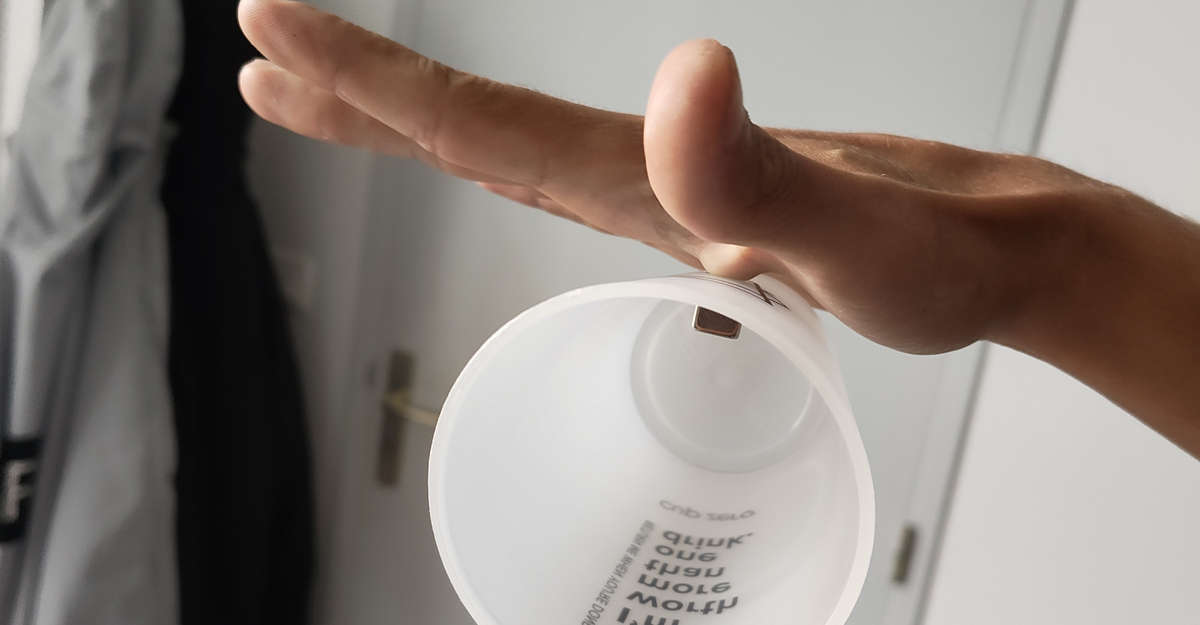
Magnets are predominantly used for two purposes: lifting/holding small objects and sensing magnetic fields. Therefore, the implant location is usually influenced by the implant’s intended use. While any location is technically possible, the arms and hands are the most common choices.
*General guidelines
To prevent failure, pain, or discomfort, it is important to avoid friction and impacts during daily activities.
Avoid:
- Moving body parts like joints
- Hard surfaces like bones
- Tight and narrow locations
Prioritize:
- Soft areas backed with muscle or fat
- Locations that are out of the way when interacting with tools/ doing sports/ daily activities
- Locations that are practical for the intended use
*Specific common locations
Fingertips
Fingertips are ideal for sensing due to their high nerve density and intuitive touching motion. Due to limited space, it is strongly discouraged to use any magnets other than the smallest.
Obviously, the small magnets won’t be ideal for lifting, but they’re sufficient to lift a bottle cap.
Magnets are installed on the soft finger pad. To avoid discomfort while handling objects and tools, it is recommended to offset the placement to one side of the pad so that it doesn’t get pinched between the bone and a hard object. This is especially true for people practicing manual work and sports like climbing or using power tools.
Palm-side thumb webbing
This spot, at the base of the thumb in the skin flap connecting it to the palm, is one of the most polyvalent ones. It has proven to be quite sensitive thanks to a looser skin and has enough space for big magnets. While a magnet there doesn’t get in the way in common activities thanks to a lot of soft tissue backing it, you should still consider the practicality of it in some extreme jobs/activities that involve gripping ropes or tools for example. In cases like this the precise place will be important.
Back-side thumb webbing, edges & between metacarpals
These include the soft area between the thumb and index finger, the edge of the hand on the thumb and pinkie side, and the channels between the metacarpals.
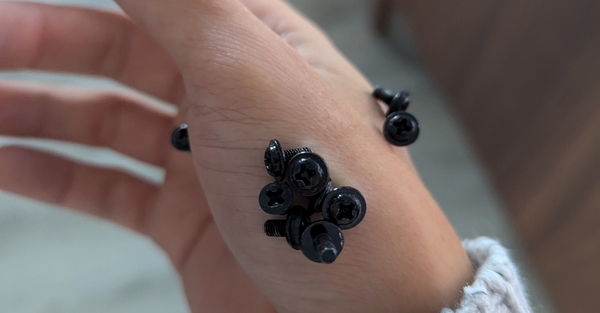
These are common spots and very practical ones for holding small items like screws. They are not the most sensitive areas and should rather be used for holding/lifting with bigger magnets.
Placement between the metacarpals is a bit trickier and should probably be reserved for cylindrical magnets.
Ears
Tragus magnets have been done before. They allow the user to hear strong magnetic fields and serve as headphones to an extent. Nevertheless, it is a tricky and uncommon spot.
Arms & rest of the body
These are pretty straightforward locations that have room for larger magnets.
Genitals
This location is not well documented and very nuanced, but it should follow the same guidelines as other genital implants. Cleanliness and sanitization are incredibly important in this area, including avoiding moisture build-up as much as possible during the healing process.